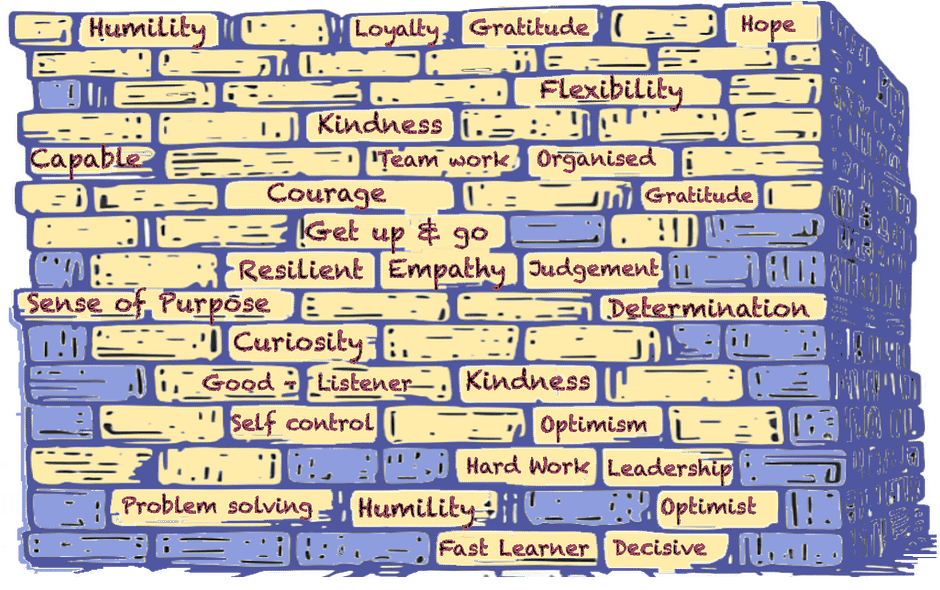
The first step in nurturing your child’s potential is to unearth their Strengths, Qualities and Abilities (SQAs).
Spot Strengths in Action
For the first few weeks, be on the lookout for opportunities to point out the SQAs your child displays.
Imagine trying out our “together time ritual“, outlined in Rule 2 of the Five Rules for Inspiring Parents.
Let’s say you both tackle a jigsaw puzzle. Along the way, you have a few setbacks, moments of reluctance, or even self-doubt. Yet, you Manage Your State, coach, and encourage.
And it worked because;
- You had prepped Outcomes, e.g., “To remain calm and enjoy these shared moments” and “To pull out a couple of SQAs for discussion.”
- You did Realisation and 7-11 breathing to embed your Outcome into your System 1 and aid your composure.
- Eventually, you built a strong Rapport and enjoyed the change you saw in your child. Gradually and gently, you felt a deeper connection and warmth as the jigsaw came along.
This is tougher if you are changing habits. For example, if you are switching away from too much screen time or an external rewards habit. In this case, Review and Preview will be invaluable for you.

The Early Shoots Of A Sense Of Purpose
And then, after all your efforts, you start noticing some hoped for changes in your child. Their focus is sharpening, and you see them become more engaged.
And you realise these are the early shoots of a Sense of purpose and the building blocks on which you can build their High IDQ.
From the jigsaw exercise, a bundle of SQAs emerge. So now, from these, you can pick two or three to begin coaching them along their High IDQ path. For example;
- Fast learner,
- Patience,
- Composure,
- Problem-solving skills,
- Co-operation,
- Effective Communication,
- Sound Judgment,
- Determination,
- Attentive Listening.
Harness Rapport
You hold the key to uncovering SQAs anytime. All you need is Rapport and a simple activity or a conversation.
You’ve been nurturing Rapport with your child by following the 5 Rules for Inspiring Parents. Use these moments to spot anything showing your child’s strengths.
Maybe they’ve done well at school, overcome a little difficulty, talked about a hobby, played a sport, had a good time with friends, enjoyed a book, learned something new, etc.
Each of these experiences can unveil valuable skills, qualities and strengths. And it can be even more powerful to ask your child about the strengths and qualities they feel they’ve shown.
For example, when you’re in Rapport and talking through something they’ve done, you could ask;
- “Did. you notice how you listening skills helped?”; or,
- “What qualities did you tap into to achieve x”?.
Anytime you spot them doing something, ask yourself what you can use from the moment. You may reveal a new quality or double down on another you’ve already drawn out.
Get the Balance right – Credibility Counts
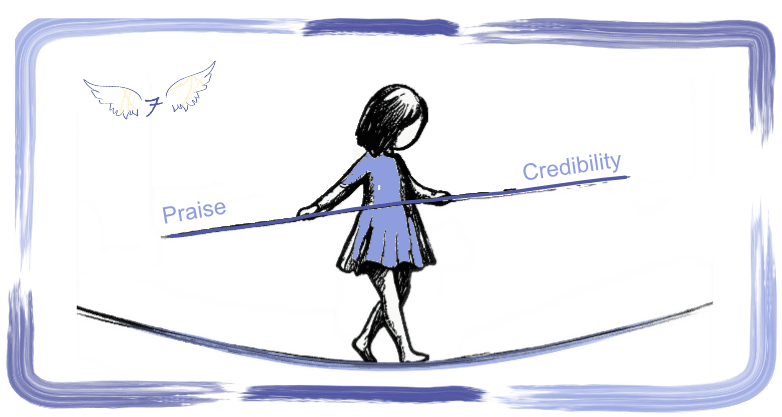
These moments are ideal because they are actual evidence from real-life events. That credibility counts. So long, that is, you get the balance right.
Give praise away too easily, and it won’t mean much to your child. Make it too hard, and your child might come to believe they’re “not good enough”.
Finding that balance is a skill you can refine over time. With practice, you’ll find your stride.
Top Qualities to Highlight
Over time, we’ve found that “A good Learner” is a great starting strength for your children to believe in. If they find that quality in themselves early on, it helps later.
It gives them hope and confidence in testing times when they may lack the skills and strengths needed. They will believe they can quickly add the missing traits to their skillset.
As a handy early starter, I’d also add the strength of emotional control and composure. The ability to recover quickly after losing calm is a foundation belief for high performance in tough times.
These beliefs will be a boon to your lives together and your work coaching their High IDQ. And they will benefit your children for their lifetime.
Case Study Part 1: John’s Struggle With Maths

John was struggling with his maths lessons. He would get frustrated and give up easily with practice problems. His confidence was low after getting C’s on his last few tests.
After a suggestion from John’s teacher, his mom, Amy, started reading the series “Five Rules for Inspirational Parents” and “How To Nurture Happy, Healthy And Confident Children”.
She thought she’d try the ideas and see if they helped boost John’s self-belief. Amy began with IMP.
She set herself two Outcomes:
1. To find one strength a week.
2. To be patient
Realisation helped her to stay true to both Outcomes.

Amy began by building Rapport with John. They loved their dog walks together, so this was the ideal time to practice those skills and get him talking.
When she sensed he was in Rapport, Amy reminded him about how they built Lego sets together when he was younger.
She asked if he could remember the great feeling when he finished the tricky Star Wars Falcon. It was still proudly on show in his bedroom. John smiled, thinking back on the moment.
She told him how, although John sometimes got upset when they couldn’t fit pieces together, he kept trying different approaches until finally succeeding.
Amy pointed out how proud she felt seeing John apply determination and patience to solve those Lego challenges.
Amy found a few different ways to nurture these strengths in his mind over the next week.
Then John got praise from his coach for improving at football (soccer). So Amy seized on this and highlighted his fast learning. And when he calmed his baby sister, she praised his kindness and composure.
To Be Continued – in Thread 2.
In Thread 2, we’ll see how Amy built on these early steps to nurture John’s strengths and start his journey to a High IDQ.
Up Next: Thread 2: Deepen Your Child’s Belief in Their SQAs
Life will throw curveballs – but your child can learn to catch them with grace. Guide them to handle challenges with courage and resilience.
This practical framework reveals how to instil bulletproof self-belief by deepening your child’s belief in their strengths and abilities.
Learn how carefully crafted praise and support from family and teachers can transform their self-image. Equip them to tap into their talents to succeed in school and life.
Click below for actionable tips to instil an unshakeable sense of identity and purpose.
Thread 2: Deepen Your Child’s Belief in Their SQAs